
How to Bond with Your Cat: 10 Expert-Approved Tips for a Stronger Relationship
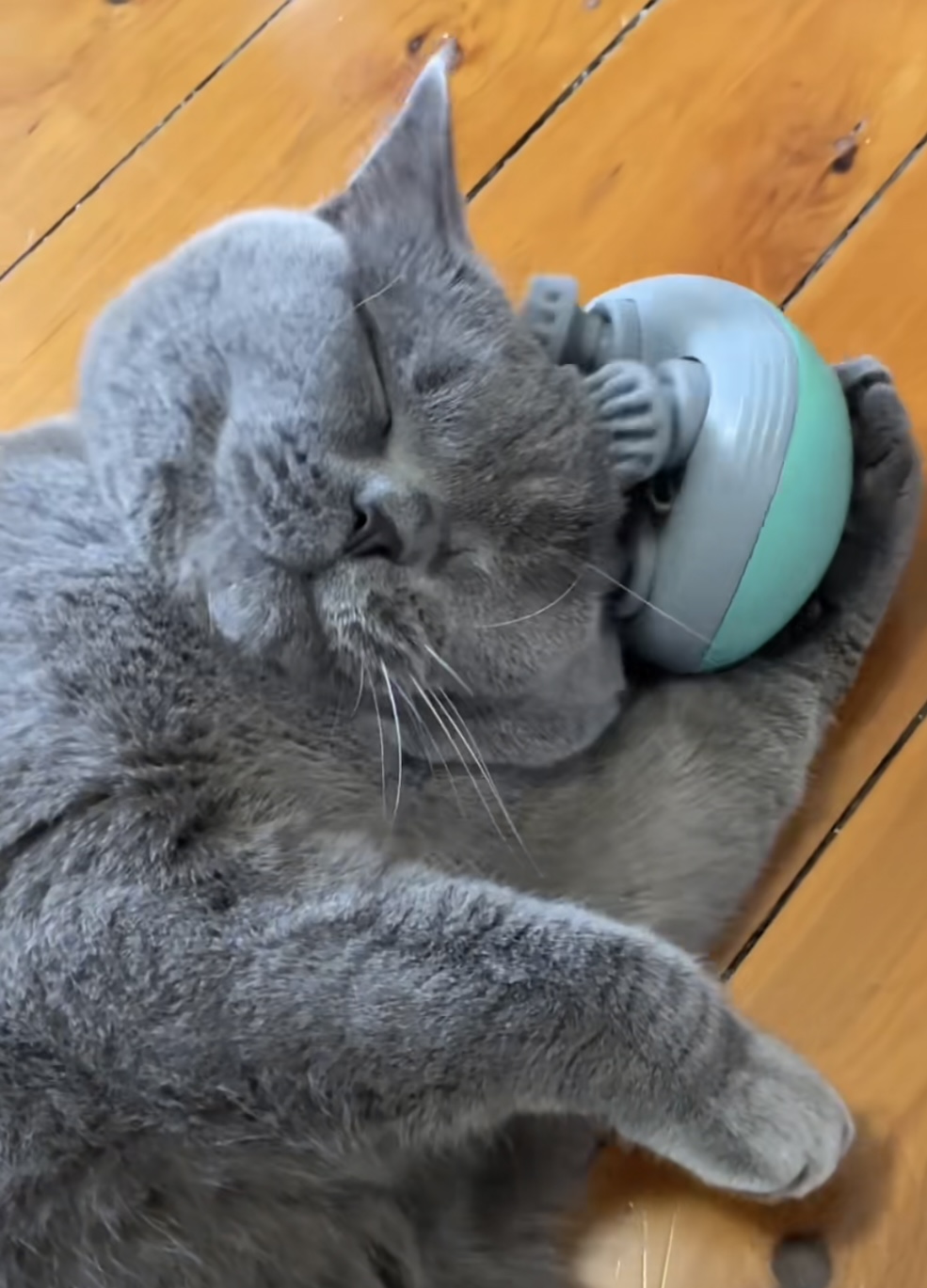
Cats have a reputation for being independent and aloof, but anyone who's earned a cat's trust knows the truth: the bond between a cat and their human can be incredibly deep and rewarding. The key is understanding that cats express love differently than dogs—and learning to speak their language.
Whether you've just brought home a new kitten, adopted an adult cat, or want to strengthen your relationship with a longtime feline companion, this guide covers everything you need to know about building a powerful bond with your cat.
Understanding How Cats Bond
Before diving into specific techniques, it's important to understand how cats form attachments. Unlike dogs, who were bred for thousands of years to work alongside humans, cats essentially domesticated themselves—choosing to live near humans because it was beneficial, not because they needed us.
This means cats bond on their own terms. They choose who to trust, and that trust must be earned through consistent positive experiences. The good news? Once a cat decides you're their person, that bond can be extraordinarily strong and lasting.
"Cats are really social and friendly and will come to you, but a lot of cats actually require relationship building. If you ignore your new cat, they'll likely ignore you in return."
— Jennifer Van de Kieft, Certified Advanced Feline Training ProfessionalResearch has confirmed what cat lovers already knew: cats form secure attachments to their owners similar to the bonds between parents and children. A 2019 study from Oregon State University found that 65% of cats displayed secure attachment to their caregivers—meaning they felt safe exploring when their owner was present and sought comfort from them when stressed.
10 Expert Tips to Bond with Your Cat
1 Let Your Cat Set the Pace
The single most important rule of cat bonding: let your cat come to you. Cats are territorial and cautious by nature. Forcing interaction—picking them up, chasing them, or cornering them—will damage trust. Instead, make yourself available and let your cat initiate contact when they're ready. Some cats warm up in days; others take weeks or months. Be patient.
2 Create a Safe Environment
Cats bond more easily when they feel secure. Provide hiding spots (cat caves, boxes, covered beds), elevated perches where they can survey their territory, and quiet spaces away from loud noises or other pets. A cat who feels safe in their environment will be more open to bonding with you.
3 Establish Consistent Routines
Cats thrive on predictability. Feed them at the same times each day, schedule regular play sessions, and maintain consistent quiet time. When your cat knows what to expect, they feel more secure—and a secure cat is more likely to seek out affection and bonding moments with you.
4 Use Interactive Play Daily
Play is one of the most powerful bonding tools available. Interactive toys like feather wands, laser pointers, and fishing rod toys engage your cat's hunting instincts while creating positive associations with you. Aim for at least two 10-15 minute play sessions daily, and let your cat "catch" the prey sometimes to prevent frustration.
💜 Take Bonding to the Next Level
Nothing says "I love you" like a relaxing massage. Our Purrfect Paws™ Electric Massager creates spa-like bonding moments that strengthen your relationship while helping your cat unwind.
Discover the Cat Massager →5 Learn to Speak Cat
Understanding cat body language helps you respond appropriately and build trust faster. A cat approaching with their tail held high is greeting you warmly. Slow blinks are "cat kisses"—try slow blinking back! Ears forward mean interest; ears flat mean back off. The more you understand your cat's signals, the stronger your connection will become.
6 Try Gentle Grooming Sessions
Cats groom each other to show affection and strengthen bonds. If your cat enjoys being brushed, regular grooming sessions can become intimate bonding rituals. Start with short sessions, use a brush your cat likes, and stop before they show signs of overstimulation. Never force grooming on a cat who doesn't enjoy it.
7 Talk to Your Cat
Cats recognize their owner's voice and often enjoy being spoken to. Use a soft, gentle tone and talk to your cat throughout the day. It doesn't matter what you say—it's the friendly vocal interaction that counts. Many cats will "talk back" with meows, chirps, and trills once they feel comfortable with you.
8 Respect Their Boundaries
When your cat signals they've had enough—tail swishing, ears back, moving away, or biting—immediately stop what you're doing. Respecting boundaries builds trust faster than any amount of forced cuddling. A cat who knows you'll respect their "no" will feel safer saying "yes" to affection.
9 Use Positive Reinforcement
Reward your cat with treats, gentle praise, and affection when they engage with you. This creates positive associations with your presence. Some cat owners even use clicker training to build communication and strengthen their bond through structured learning activities.
10 Simply Be Present
Sometimes the best bonding happens when you're not actively trying. Sit in the same room while reading, working, or watching TV. Let your cat get used to your presence without any pressure. Over time, they'll start seeking out your company—and those quiet moments together will become the foundation of your relationship.
🐱 Create Unforgettable Bonding Moments
Transform grooming time into the highlight of your cat's day. Our gentle vibrating massager helps anxious cats relax while creating deeper connections between you and your feline friend.
Shop the Purrfect Paws™ Massager →Signs Your Cat Loves You
How do you know if your bonding efforts are working? Cats show love in subtle ways that are easy to miss if you don't know what to look for. Here are the most common signs your cat has bonded with you:
😻 Slow Blinking
When your cat looks at you and slowly closes and opens their eyes, they're giving you a "cat kiss." This is one of the most definitive signs of love and trust. Try slow blinking back to return the affection.
💕 Head Bunting
When your cat bumps their head against you or rubs their cheeks on you, they're marking you with their scent glands. This says "you're mine" and "you're safe"—a clear sign of affection and trust.
🎵 Purring Around You
While cats purr for various reasons, a relaxed cat purring while curled up near you is expressing contentment and trust. Deep, rumbling purrs during cuddle sessions are a sign of a strong bond.
🐾 Kneading ("Making Biscuits")
Kneading is a behavior from kittenhood associated with nursing and comfort. When your cat kneads you, they're expressing that you make them feel safe and loved—like they did with their mother.
⬆️ Tail Up Greeting
A cat approaching you with their tail held high (often with a slight curve at the tip) is giving you the feline equivalent of a warm hello. If your cat greets you this way at the door, you've definitely bonded.
🛋️ Showing Their Belly
A cat's belly is their most vulnerable area. Rolling over to expose it shows extreme trust. Note: this doesn't always mean they want belly rubs—sometimes it's just saying "I trust you completely."
😴 Sleeping Near or On You
Cats are vulnerable when they sleep. Choosing to sleep near you—or on you—is a powerful sign of trust and bonding. Your cat feels safe enough in your presence to let their guard down completely.
🚶 Following You Around
If your cat follows you from room to room, they want to be near you. Some cats become "velcro cats" who need to know where their favorite human is at all times. This following behavior indicates a strong attachment.
Bonding Mistakes to Avoid
Even well-intentioned cat owners sometimes make mistakes that can damage trust. Here's what NOT to do when trying to bond with your cat:
- Forcing physical contact: Picking up a cat who doesn't want to be held, or petting them past their tolerance, damages trust
- Staring directly: Prolonged eye contact without blinking is threatening in cat language
- Moving too fast: Quick movements and loud sounds trigger a cat's prey instincts and make them wary
- Punishing unwanted behavior: Yelling or physical punishment destroys trust—use redirection instead
- Ignoring their signals: When a cat says "no," listen. Continuing anyway tells them you can't be trusted
- Inconsistent behavior: Mixed signals (cuddly one day, ignoring them the next) confuse cats and slow bonding
- Skipping playtime: Without play, cats have no positive outlet for energy and fewer bonding opportunities
How Long Does Bonding Take?
Every cat is different. Some cats bond within days of meeting you, while others—especially cats with difficult pasts or naturally shy personalities—may take months or even years to fully trust.
Kittens (under 1 year): Typically bond fastest, often within 1-4 weeks with consistent positive interaction.
Adult cats (1-7 years): May take anywhere from a few weeks to several months, depending on their history and personality.
Senior cats (7+ years): Can form deep bonds but may need more time if they've had previous owners or traumatic experiences.
Former strays or shelter cats: Timelines vary widely. Some blossom quickly with love; others need 6+ months to fully trust. Don't give up—the breakthrough often comes when you least expect it.
"Some of my clients have their cats for years without forming a bond. But when they took steps to improve the relationship and help their cats feel safe, it happened. In some cases, it was slow-going, and they appreciated every tiny step in the right direction. In other cases, the cats quickly became inseparable from their humans."
— LeeAnna Buis, Certified Feline Training & Behavior SpecialistFinal Thoughts: Building a Lifelong Bond
Bonding with a cat isn't about grand gestures—it's about consistent, respectful, positive interactions over time. Every cat has the capacity to form deep attachments, but they need to feel safe and respected to do so.
Remember: you're not just earning your cat's trust, you're building a relationship that can bring joy, comfort, and companionship for 15-20 years. Take your time. Respect their boundaries. Celebrate small victories. And know that the bond you're building is absolutely worth the effort.
The moment when a formerly aloof cat climbs into your lap and starts purring? That's one of the most rewarding experiences any cat owner can have. And with patience and the right approach, it will happen for you too.
💕 Strengthen Your Bond Starting Today
Create relaxing, trust-building moments with our Purrfect Paws™ Electric Massager. Designed to help cats unwind while deepening your connection. 30-day guarantee.
Get Your Cat Massager →