
7 Vet-Approved Ways to Calm an Anxious Cat at Home
📖 In This Article
If your cat hides under the bed during thunderstorms, sprints away from visitors, or over-grooms to the point of hair loss, you're not alone. Cat anxiety is more common than most pet owners realize, affecting up to 25% of domestic cats according to veterinary behaviorists.
The good news? With the right approach, you can help your anxious cat feel safe, secure, and relaxed — without medication in most cases. Here are seven vet-approved methods that actually work.
How to Tell If Your Cat Is Anxious
Before diving into solutions, it's important to recognize the signs of cat anxiety:
- Hiding more than usual or refusing to come out
- Excessive grooming leading to bald patches
- Aggression or sudden behavioral changes
- Loss of appetite or changes in eating habits
- Inappropriate urination outside the litter box
- Excessive vocalization (meowing, yowling)
- Destructive scratching beyond normal behavior
If you notice these symptoms, the following techniques can help restore your cat's sense of calm.
1. Create a Dedicated Safe Space
Every anxious cat needs a retreat zone — a quiet area where they feel completely protected. This could be a spare room, a cozy closet, or even a covered cat bed in a low-traffic area.
Make this space extra comfortable with:
- Soft blankets or a heated cat bed
- Their favorite toys
- A piece of your worn clothing (your scent is calming)
- Easy access to food, water, and a litter box nearby
Pro tip: Never force your cat out of their safe space. Let them emerge on their own terms.
2. Establish a Consistent Daily Routine
Cats are creatures of habit. Unpredictable schedules trigger stress, while consistent routines create security.
Try to maintain regular times for:
- Feeding (same times each day)
- Play sessions
- Grooming or massage
- Quiet bonding time
Even small disruptions — like moving furniture or changing your work schedule — can unsettle an anxious cat. When changes are unavoidable, introduce them gradually.
3. Try Gentle Massage Therapy
Cat massage is one of the most effective natural anxiety remedies, backed by veterinary research. When done correctly, massage releases oxytocin (the "love hormone") in both you and your cat, reducing cortisol levels and promoting deep relaxation.
Here's how to give your cat a calming massage:
- Start when your cat is already somewhat relaxed
- Use slow, gentle strokes along the back and behind the ears
- Apply light pressure — never push or knead hard
- Watch for signs of enjoyment: purring, slow blinks, kneading
- Keep sessions short (5-10 minutes) to prevent overstimulation
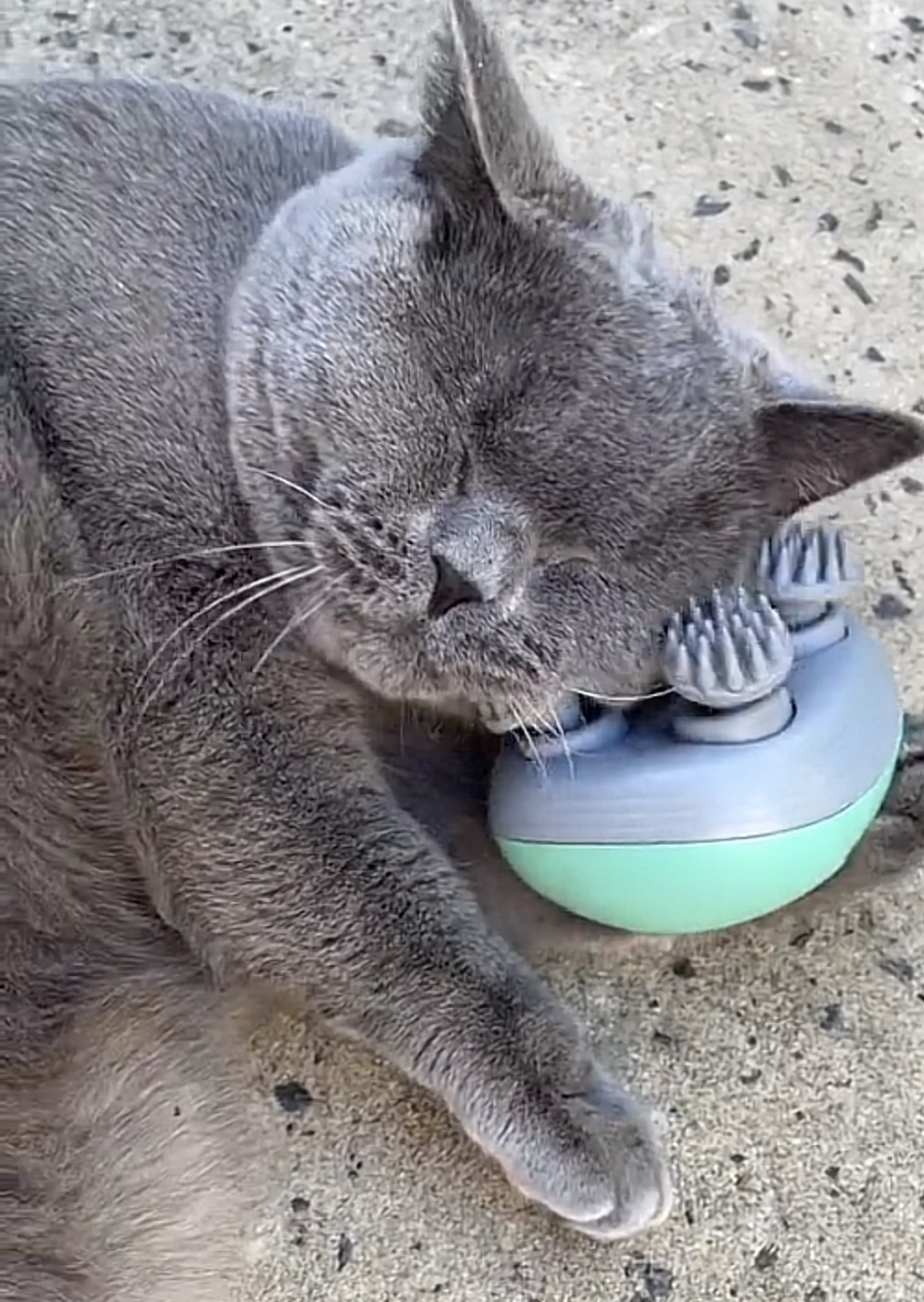
🐾 Make Massage Time Even Better
The Purrfect Paws™ Electric Cat Massager mimics the sensation of a mother cat's tongue, triggering instant relaxation. Whisper-quiet motor. Vet-approved. Loved by 15,000+ cats.
Shop Purrfect Paws™ →4. Schedule Interactive Play Sessions
Physical activity burns off anxious energy. Aim for 15-20 minutes of active play twice daily using wand toys, laser pointers, or puzzle feeders.
Interactive play also strengthens your bond with your cat, which builds trust and security over time. End each session with a small treat to create positive associations.
5. Use Synthetic Calming Pheromones
Feliway and similar pheromone diffusers release synthetic versions of the "happy cat" facial pheromone. When cats rub their cheeks on furniture, they're marking it as safe — pheromone products mimic this signal.
Place diffusers in areas where your cat spends the most time. Many veterinarians recommend these for:
- Moving to a new home
- Introducing new pets
- Vet visits (spray in the carrier)
- General ongoing anxiety
6. Play Cat-Specific Calming Music
Yes, there's music designed specifically for cats. Research from the University of Wisconsin found that cats respond positively to music featuring purring frequencies and tempos that match their natural resting heart rate.
Search for "cat calming music" or "music for anxious cats" on YouTube or Spotify. Play it softly during stressful times like storms or when guests visit.
7. Consult Your Veterinarian
If your cat's anxiety is severe, persistent, or accompanied by physical symptoms, schedule a vet visit. Sometimes anxiety indicates underlying health issues like hyperthyroidism or chronic pain.
Your vet can also discuss:
- Anti-anxiety medications for severe cases
- Behavioral therapy referrals
- Supplements like L-theanine or CBD (where legal)
The Bottom Line
Calming an anxious cat takes patience, consistency, and the right tools. Start with environmental changes and routine adjustments, add in regular massage sessions, and consult your vet if symptoms persist.
With time and care, even the most nervous cat can learn to relax and enjoy life to the fullest. 🐱
Ready to Help Your Cat Relax?
Join 15,000+ cat parents who've transformed anxious cats into relaxed, happy furballs with the Purrfect Paws™ Electric Massager.
Get 50% Off Today →